The Trend Towards High Protein Content in the European Dairy Industry
The trend of high-protein dairy products has seen significant growth in Europe in recent years, with a noticeable shift in consumer preferences towards healthier and more nutritious foods.
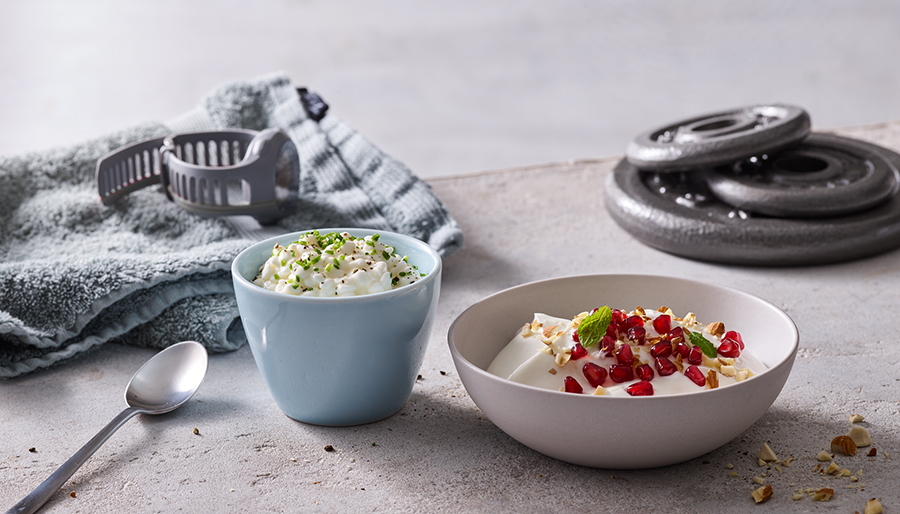
This trend is driven by the increasing awareness of the benefits of dietary proteins, such as muscle building, weight management, immune system support, improved appearance, and overall health. European consumers, mindful of their health and well-being, are increasingly turning to high-protein dairy products as natural and convenient sources of this vital nutrient. This shift is evident in the expanding range of high-protein dairy products available in the market, from traditional options like Greek yogurt, skyr, and cottage cheese to innovative offerings such as protein-enriched yogurts and cheeses.
In response to this trend, dairy producers across Europe are adapting their production lines and marketing strategies. There is a noticeable increase in the availability of high-protein dairy products, often accompanied by branding and targeted advertising campaigns focused on health. This approach caters not only to health-conscious individuals but also to athletes and fitness enthusiasts seeking natural protein sources.
The Impact on Product Development
To achieve the desired high protein content in a product, producers have two options: enriching milk either before or after fermentation. Post-fermentation milk fortification is generally more effective in achieving the right texture and flavor. When milk is concentrated before fermentation, it is easier to achieve the desired texture, but harder to achieve the right taste. This is because lactic acid bacteria must produce more acidity to complete the fermentation process, and retaining all the lactic acid produced alters the flavor.
Additionally, fortifying milk before fermentation requires more selective protein processing, which demands specialized equipment. Specialized knowledge of these processes can significantly improve the quality and characteristics of the final product. In this regard, the expertise and experience of Chr. Hansen’s dairy application team can be invaluable.
Sustainability Matters
It’s worth noting that consumers are increasingly seeking dairy products that are not only rich in proteins but also produced in environmentally friendly and ethically responsible ways. There is growing interest in plant-based proteins, which has prompted dairy producers to explore hybrid products combining dairy and plant proteins to meet diverse consumer needs.
Dairy products are recognized as a high-quality source of complete proteins. Dairy producers should seize this opportunity to educate consumers and respond to the demand for high-protein products through responsible marketing.
Source:
- Euromonitor – International Health and Food Study
Chr. Hansen